Gutter Installation Guide – Choosing the Right Material for Your Home

https://www.gutterscoloradospringspro.com/

Gutters protect homes by collecting and directing rainwater away from siding, foundations, and landscaping. Proper gutter installation and regular maintenance can help to prevent damage and extend the lifespan of a home’s exterior.

This step-by-step guide walks homeowners through every important aspect of the process, from understanding types and materials to comparing costs and learning long-term maintenance practices. Visit https://www.gutterscoloradospringspro.com/ for more information.

1. Aluminum

Gutters protect foundations, exteriors, and landscaping from water damage by funneling rainwater into a separate drainage system. The gutter material you select affects both upfront costs and long-term value, with each option offering unique pros and cons. Choosing the right gutter materials for your home starts with a clear understanding of what you want to achieve with your gutter installation project. If your priorities are longevity, durability, and customization options, aluminum gutters are a great choice. For homeowners seeking more aesthetically pleasing design features, copper and zinc are long-lasting premium options that add a touch of luxury to your gutter system.

Aluminum gutters are known for their reliability and efficiency, thanks to a sturdy construction that allows them to withstand heavy rainfall without bending or buckling. These gutters are also rust-resistant and can be customized to fit your home’s specifications. They are available in a wide variety of colors to complement your home’s aesthetic, while maintaining durability. However, aluminum is susceptible to denting under pressure from ladders and other objects. If you live in an area with frequent harsh weather conditions, a more durable option may be necessary.

Like all gutter systems, aluminum gutters must be positioned properly for effective function and performance. They should be installed so that they slope slightly downhill, and downspouts should be spaced every 20 to 30 feet for efficient water management. This ensures that the water enters the gutter system without pooling around the downspout, which can cause foundation and landscaping issues. The right gutter system can help to prevent soil erosion, basement flooding, and foundation cracks, as well as protect your roof, siding, shingles, and landscaping from water damage. Regular maintenance and upkeep of your gutters can prolong their lifespan and maintain their appearance. Gutters should be cleaned at least several times a year, removing clogs to prevent water damage, and sealing leaks promptly to avoid damage to the structure of your home.

2. Copper

Copper, a beautiful natural metal, offers superior durability and long-term value for homeowners. This high-end gutter material is incredibly versatile, and the aesthetics of aged copper can add an architectural elegance to any home design. While the initial cost of copper is higher than other gutter materials, it can save you money on maintenance and repair costs in the long run.

Copper gutters are a luxurious choice, and while they may be appealing to DIY enthusiasts, it’s usually best to leave this type of project to professionals. This is due to the specialized tools and expertise required for proper installation and a flawless outcome. It’s also important to properly evaluate your current roof structure to ensure it can handle the weight and design of copper gutters.

A common mistake that can compromise the effectiveness of a copper gutter system is improper mounting and spacing of brackets. Failing to follow manufacturer guidelines for spacing and ensuring a consistent slope can lead to gutter sections sagging or pulling away from the fascia. Additionally, haphazard soldering can lead to leaks and other damage.

When it comes to copper gutters, it’s also important to consider the drainage needs of your property. It’s essential to carefully sketch a layout that can provide adequate water flow while also matching the design and style of your home. A lack of planning can lead to inefficient water flow, resulting in excess moisture that can damage the structure of your house.

Copper gutters can be paired with a variety of accessories, including copper downspouts and rain chains, which can add a unique element to your home’s exterior and enhance its functionality. Downspouts are particularly effective at directing water away from your home’s foundation, protecting the integrity of your walls and structure. Additionally, a copper rain chain can add a decorative touch to your home while reducing maintenance needs by keeping debris off of your gutters. This is especially beneficial in areas with many trees, where clogged gutters can be a problem. To keep your copper gutters and downspouts looking and functioning their best, it’s a good idea to clean them regularly with warm water and mild soap.

3. Vinyl

Gutters play a critical role in protecting a home from water damage. They channel rainwater away from the foundation, helping to prevent structural issues and add curb appeal. They also offer a return on investment by saving homeowners money on expensive repair costs and improving property values. However, not all gutter supplies are equal. This gutter installation guide explores the pros and cons of different gutter supply materials to help homeowners choose the best option for their homes.

Galvanized steel offers extreme versatility and withstands almost any weather condition, including severe storms with heavy rain or dense snow. However, this material can rust meaningfully over time, and it is more expensive than other options. Vinyl is a more affordable alternative to galvanized steel and does not require painting, which can save homeowners significant money. However, vinyl is less durable than other gutter supply materials and does not hold up well to harsh climates.

Unlike aluminum and copper, which are both made from recycled materials, PVC/vinyl is made from a combination of hydrocarbon feedstocks (such as petroleum, natural gas, and coal) and chlorine. Chlorine, which is a renewable resource, makes vinyl less sensitive to fluctuations in the world oil market than other polymers that are completely based on fossil fuels.

Gutter systems can be attached to a home’s eaves either by hanging from fascia boards or by mounting onto the roof. Fascia-hung gutters are sturdier and more secure, but if a house’s fascia board is nonexistent or covered with crown molding, a roof mounted system may be the only option. Regardless of the type of gutters chosen, installing hidden hangers with built-in screws helps to keep them in place and prevent tripping or falling off. These hooks should be spaced every 24 inches along a fascia board, and they should be leveled front to back using solid wedge inserts, which don’t mar the gutter face.

4. Steel

Despite their unsightly appearance, gutters are an essential component of your home’s defense system against water damage. They help to control water flow and redirect it away from the roof, foundation, and siding to prevent leaks, rot, and erosion. While hiring a professional to install new gutters or replace old ones is always an option, many homeowners choose to complete the project themselves as a DIY home improvement project.

To begin your DIY gutter installation, gather the following materials:

Safety glasses and gloves: Keep yourself safe from debris and cuts while working on ladders. Ladder: Make sure your ladder is stable and tall enough to reach your roofline. Helper: Have someone nearby to spot you if you start falling off the ladder, as well as hand you your next section of gutter when you’re ready.

Gutter sections: Choose the length of each gutter run based on your roofline and desired drainage. Remember to add a few inches to each measurement for overlaps and end caps.

Fascia brackets: Use these to secure your gutters to the fascia boards beneath your roofline and above any rafter tails attached to your house. These should be spaced about every 18-24 inches along the length of your gutter run.

Downspouts: Ensure you have enough downspout outlets to properly divert rainwater for each gutter run. Place a downspout outlet on either end of your gutter run and secure it to the gutter with a downspout elbow and a screw.

Waterproof sealant or silicone: This will allow you to seamlessly connect the various parts of your gutters, and make sure they’re fully waterproof.

Once you’ve gathered your supplies, draw out a plan for how you’ll hang the gutters in a way that allows you to work quickly and efficiently. This will also give you a better understanding of what each section of the gutter looks like so you can anticipate any future problems with your gutter system. Once you’ve done this, set out your supplies in the order you’ll be installing them so they’re easy to grab when you’re ready to use them.


Reliable Gutter Cleaning Solutions to Prevent Water Damage and Foundation Issues

Gutters are one of the most important features of any property’s exterior, yet they are often overlooked until water damage becomes unavoidable. Designed to direct rainwater away from the structure, gutters protect the foundation, siding, roofing, and landscaping from moisture-related problems. When gutters become clogged with leaves, dirt, twigs, and debris, they lose their ability to function properly, leading to serious issues that can compromise the safety and durability of the entire property. Implementing reliable Gutters Gainesville FL cleaning solutions is essential for preventing water damage, safeguarding the foundation, and ensuring long-term structural stability. Regular cleaning and maintenance not only extend the lifespan of the gutter system but also reduce the risk of costly repairs.

gutters

Gutter cleaning is more than just removing visible debris. It involves inspecting every part of the system to ensure water can flow freely through the channels and downspouts. When debris builds up inside the gutters, water begins to overflow, causing erosion, staining, wood rot, basement leaks, and mold growth. Over time, improper water management can weaken the foundation and lead to structural shifting. This is why property owners must prioritize gutter cleaning as a key component of their maintenance routine. A clean, well-functioning gutter system ensures that rainwater is properly diverted, protecting both the interior and exterior of the property.

The Importance of Routine Gutter Cleaning

Routine gutter cleaning is necessary for maintaining peak performance and preventing a range of moisture-related issues. Gutters are continuously exposed to natural elements, causing debris to accumulate throughout the year. Leaves from nearby trees, dirt from strong winds, and particles washed down from the roof all contribute to clogging. Without regular cleaning, these materials create blockages that disrupt the flow of rainwater. Water that cannot travel through the gutters will spill over the edges, leading to potential damage to the siding, insulation, and landscaping.

One of the most significant risks associated with clogged gutters is foundation damage. When water pools around the base of the property, it gradually seeps into the ground, causing soil movement and erosion. Excess moisture can weaken the foundation, resulting in cracks and structural instability. Once the foundation becomes compromised, repairs can be extremely expensive and time-consuming. By keeping gutters clean, property owners significantly reduce the risk of such problems and maintain the integrity of their building.

In addition to protecting the foundation, routine gutter cleaning helps preserve other exterior elements. Water overflowing from clogged gutters can cause the fascia boards to rot, discolor exterior walls, damage the roofline, and encourage mold growth. These issues not only weaken the structure but also diminish its aesthetic appeal. Routine maintenance keeps the property looking clean and well cared for, enhancing curb appeal and preserving long-term value.

Signs That Gutters Need Immediate Cleaning

While gutter cleaning should be performed regularly, certain warning signs indicate that immediate attention is needed. Recognizing these signs can prevent serious damage:

  1. Overflowing Water During Rainfall
  2. If water spills over the edges of the gutters during rain, this is a strong indication that there is a blockage preventing proper drainage.
  3. Sagging or Pulling Gutters
  4. Gutters filled with heavy debris may begin to sag or pull away from the roofline, signaling that the weight has become too much for the brackets to support.
  5. Plants or Moss Growing Inside the Gutters
  6. Vegetation growth is a clear sign that debris has accumulated and created a moist environment where plants can take root.
  7. Water Stains or Mold on Exterior Walls
  8. Visible signs of moisture on walls suggest that water is not being properly diverted away from the property.
  9. Basement Leaks or Dampness
  10. Excess moisture near the foundation can make its way into the basement, causing wet spots, odor, or mold growth.
  11. Insect or Pest Activity
  12. Clogged gutters often attract insects, birds, and small animals looking for shelter, which further obstructs water flow.

These warning signs should never be ignored, as they indicate that water damage may already be occurring or will soon begin if the issue isn’t addressed promptly.

Benefits of Professional Gutter Cleaning Services

While some property owners attempt to clean their gutters on their own, professional gutter cleaning services provide a more thorough, efficient, and safer solution. Experts have specialized tools and extensive experience that allow them to handle even the most challenging gutter problems. Professional cleaners not only remove visible debris but also clear downspouts, eliminate hidden blockages, and inspect the entire system for signs of wear or damage.

Safety is one of the primary reasons many property owners choose professional services. Gutter cleaning often involves climbing ladders, reaching high areas, and handling heavy debris, which can be risky without proper equipment and training. Professionals are equipped to manage these tasks safely and effectively, reducing the risk of accidents or injuries.

Another major benefit is the comprehensive inspection provided by experts. Professional cleaners can identify issues such as loose brackets, cracks, rust, sagging sections, and improper slopes that may not be visible to the untrained eye. By addressing these problems early, property owners can avoid major repairs in the future. Regular professional cleaning also helps extend the lifespan of the gutter system, ensuring reliable performance for years to come.

Many professional services also offer maintenance plans that include scheduled cleanings throughout the year. These plans ensure that gutters remain clean and functional no matter the season, providing property owners with consistent protection against water damage and foundation issues.

DIY Gutter Cleaning Tips for Property Owners

For those who prefer to handle gutter cleaning themselves, following proper safety and cleaning techniques is essential. While DIY solutions may be effective for minor tasks, they require careful planning and the right tools. Before starting the cleaning process, property owners should ensure they have a sturdy ladder, gloves, a bucket, a gutter scoop, and a hose with a pressure nozzle.

The first step is to remove large debris such as leaves and twigs from the gutter trough. Using hands or a scoop, these materials should be placed in a bucket or dropped onto a tarp for easy cleanup. Once the large debris is cleared, the next step is to flush the gutters with water to remove smaller particles and check for proper water flow. The downspouts should also be flushed to ensure that water is draining freely. If water backs up during flushing, this may indicate a blockage inside the downspout that requires further clearing.

While cleaning, property owners should pay attention to areas where gutters appear loose, damaged, or misaligned. Tightening screws, replacing brackets, or resealing small leaks can help improve performance. However, more complex repairs should be left to professionals to avoid improper adjustments that may worsen the problem.

Even with careful DIY maintenance, hiring professionals for periodic inspection is advisable to catch issues that may not be visible from the ground or during routine cleaning.

The Role of Gutter Guards in Preventing Clogs

Gutter guards have become a popular solution for minimizing debris buildup and reducing the frequency of gutter cleaning. These protective covers or screens sit on top of the gutters and allow water to flow in while blocking larger debris such as leaves and branches. Although gutter guards do not eliminate the need for maintenance, they significantly reduce the likelihood of clogs.

There are several types of gutter guards available, including mesh screens, foam inserts, and solid covers with angled openings. Each type offers unique benefits depending on the property’s needs and the amount of surrounding vegetation. Mesh guards are ideal for blocking small debris, while solid covers provide excellent protection against large leaves. Foam inserts sit inside the gutter and allow water to pass through while filtering out debris.

Professional installation of gutter guards ensures proper fit and performance. A well-installed guard system can dramatically improve water flow, reduce blockages, and minimize the risk of overflow during heavy rainfall. Property owners with frequent debris buildup or those seeking low-maintenance options benefit greatly from adding gutter guards to their gutter system.

How Regular Gutter Cleaning Prevents Foundation Issues

Foundation problems are among the most serious consequences of neglected gutters. When water flows freely through a clean system, it is directed away from the base of the property, preventing soil erosion and moisture penetration. However, clogged gutters force water to spill over the edges, causing it to pool near the foundation. Over time, this excess moisture weakens the soil, causing it to shift or wash away.

As the soil moves, the foundation may begin to settle unevenly, leading to cracks in walls, floors, and exterior surfaces. Water seepage can also make its way into basements or crawl spaces, creating an environment vulnerable to mold growth and structural decay. By maintaining clean gutters, property owners can prevent these costly issues and ensure that the foundation remains stable and secure.

Regular gutter cleaning supports proper drainage, reducing the chances of soil saturation and water infiltration. This simple maintenance task plays an essential role in preserving the strength and functionality of the property’s foundation.

Enhancing Property Value Through Gutter Maintenance

Clean and functional gutters not only protect a property from moisture damage but also contribute to its overall value. Prospective buyers and inspectors often look for signs of proper maintenance when evaluating a property. Clogged or damaged gutters signal neglect and raise concerns about potential foundation or roofing issues.

On the other hand, well-maintained gutters highlight responsible ownership and reduce concerns about water-related damage. A property with clean, efficient gutters is more appealing, especially to buyers who want reassurance that the structure has been properly cared for. This boosts curb appeal and adds long-term value to the investment.

Regular cleaning also helps maintain the appearance of the exterior. Overflowing water can stain walls, erode landscaping, and create unwanted streaks along the siding. Clean gutters prevent these issues and ensure the property always looks polished and well-maintained.

Reliable gutter cleaning solutions are essential for preventing water damage, protecting the foundation, and ensuring the long-term stability of any property. Whether performed through professional services or careful DIY techniques, regular gutter maintenance plays a critical role in preserving structural integrity and preventing costly repairs. By keeping gutters clear of debris, flushing downspouts, and addressing minor issues promptly, property owners can enjoy a safe, dry, and well-protected home or building. Adding gutter guards and scheduling routine inspections further enhances the system’s efficiency and longevity. With consistent care and attention, gutters become a powerful defense against the elements, giving property owners confidence and peace of mind year after year.

The Evolving Art of Gutter Cleaning Service

A home’s safety often begins where the rain ends. Gutter Cleaning Service has evolved far beyond its traditional role of removing leaves and dirt. It now represents a crucial system of protection against water damage, erosion, and unseen structural decay. What was once a seasonal chore has transformed into a year-round science of prevention and care.

Gutter Cleaning

Modern gutter cleaning methods are reshaping the way homeowners view exterior maintenance. Instead of waiting for blockages to appear, professionals use technology to predict clogs before they happen. Sensors, drainage mapping, and moisture tracking now support proactive inspection. These innovations make cleaning more precise and less invasive to roofing systems.

The shift toward sustainable practices is another defining trend in this service. Many specialists now incorporate eco-friendly disposal of debris, turning organic waste into compost. This not only keeps the surroundings cleaner but also supports local green initiatives. The small act of responsible cleaning ripples into a much bigger environmental impact.

Safety is also being redefined through innovation. Traditional ladder-based methods are being replaced by remote systems and extendable vacuum tools. These allow cleaners to work from the ground without risking falls or injuries. Clients appreciate the reduced disruption while maintaining a spotless gutter line.

The precision of gutter cleaning today mirrors that of technical maintenance in other industries. Drones equipped with inspection cameras help identify problematic zones faster. High-pressure washing systems, designed specifically for gutter interiors, now deliver detailed cleaning without damaging the structure. The balance of power and care defines the excellence of modern service.

In the past, gutter cleaning was often neglected until damage appeared. Now, data-driven maintenance schedules ensure systems are checked before problems escalate. Algorithms track rainfall frequency, leaf density, and regional weather to plan cleanings efficiently. This new intelligence transforms maintenance into prediction.

The customer experience has become central to these developments. People expect more than just cleared gutters—they seek insights about the health of their drainage systems. Reports, visuals, and recommendations now accompany the service. These empower homeowners to make informed decisions about protection and upgrades.

What sets current providers apart is personalization. Every roofline, slope, and drainage setup is different. Advanced cleaning systems are customized to match the home’s unique structure and environmental exposure. This tailored approach ensures that every corner of the gutter system is protected from wear and overflow.

Innovation has also made its way into the materials used during cleaning. Biodegradable detergents replace harsh chemicals, protecting both the roof and nearby plants. Soft-bristle brushes and silicone tools prevent scratches while ensuring thorough results. Every step reflects a blend of technology and care for delicate home surfaces.

The importance of consistent cleaning goes beyond aesthetics. A blocked gutter can cause water to pool around foundations, leading to cracks and mold. Timely maintenance eliminates these risks before they compromise a home’s safety. In many ways, the service acts as invisible insurance against future repair costs.

Seasonal transitions are when gutters face their greatest challenges. The shift from dry months to heavy rains often reveals hidden blockages. Today’s cleaning services offer transitional inspections to address these risks in advance. This foresight helps homeowners avoid sudden flooding and roof leaks.

One of the newest innovations involves the integration of smart systems. Homeowners can now monitor their gutters using connected devices. Alerts signal when blockages start forming or when water flow becomes uneven. This seamless connection between digital and physical upkeep represents the future of property maintenance.

As urban architecture becomes more complex, the design of gutters has adapted. Multi-level buildings require advanced systems that manage water flow across multiple elevations. Gutter cleaning service specialists now receive training in architectural drainage design. Their role extends from cleaning to optimizing water management efficiency.

A hidden advantage of professional cleaning is the inspection it provides. While clearing debris, experts identify corrosion, cracks, or misalignment. These small observations prevent costly structural repairs later. The gutter becomes a diagnostic point for a home’s overall well-being.

Another new aspect of the industry lies in noise-free operations. Modern cleaning tools are designed to function quietly. This ensures homeowners and neighbors are not disturbed during the process. Silent precision has become a hallmark of premium gutter care.

Environmental awareness continues to shape how services are performed. Some companies now use water reclamation systems that reuse filtered water during cleaning. This reduces waste and promotes sustainable maintenance cycles. The act of keeping gutters clean thus contributes to ecological responsibility.

Education plays an essential role in maintaining these standards. Professionals undergo continuous training on safety, efficiency, and innovation. Many also educate clients about proper gutter care between visits. This partnership approach extends the lifespan of the entire drainage system.

Insurance and regulatory compliance have also strengthened the field. Licensed specialists now follow rigorous protocols to guarantee safety and reliability. Inspections, certifications, and digital documentation create transparency. Clients can trust that their home’s most vulnerable exterior elements are in skilled hands.

The economic benefits of consistent gutter care are undeniable. Preventing roof leaks, basement flooding, and siding damage saves significant costs over time. Gutter cleaning transforms from a simple service to an investment in property longevity. It adds measurable value by safeguarding the integrity of the structure.

The labor force behind this growing sector is also evolving. Specialized technicians are trained not only in cleaning but also in maintenance analytics. They use software to log data from each visit, helping track the health of the system. This digital record builds a detailed maintenance history for every property.

In areas with frequent rainfall, the efficiency of gutters can define comfort and safety. Advanced services ensure uninterrupted flow even during heavy downpours. By combining mechanical expertise and environmental science, professionals create a resilient drainage ecosystem. The home becomes both protected and prepared for any season.

A growing focus on visual aesthetics complements the practical benefits. Clean gutters enhance the look of the roofline, creating a sense of order and refinement. High-definition cleaning leaves no residue or streaks visible from below. The result is both functional protection and visual harmony.

Technological advancements continue to inspire new approaches. Some providers are experimenting with AI to predict wear patterns and suggest cleaning intervals. These digital assistants process data from cameras and sensors for real-time recommendations. The collaboration between human skill and machine intelligence makes maintenance seamless.

Remote accessibility is another frontier for the industry. Homeowners can now schedule cleanings, approve quotes, and view before-and-after results through apps. This convenience removes guesswork and fosters accountability. The once-manual service now thrives in the digital landscape.

Future developments may include self-cleaning gutter systems. Research is exploring coatings that repel debris and minimize buildup naturally. When combined with occasional professional maintenance, such innovations could revolutionize the field. The focus is shifting from reaction to prevention.

The market’s growth reflects a change in mindset. People are more aware of the link between exterior cleanliness and structural health. Gutter cleaning has become part of a holistic approach to home preservation. It complements roof, siding, and landscape maintenance as one cohesive system.

Even the tools themselves are evolving. Compact vacuum systems and lightweight extension rods improve mobility and reach. These upgrades minimize setup time and allow for greater precision in narrow spaces. Every technological leap increases safety and performance simultaneously.

In areas with dense foliage, gutters face continuous strain. Specialized leaf management techniques now include mesh guards and hydrophobic linings. Professionals recommend solutions tailored to each property’s environmental surroundings. This customized protection keeps the system flowing smoothly year-round.

Regular maintenance has also proven essential for pest prevention. Clogged gutters often attract insects, rodents, and birds seeking moisture and nesting material. Consistent cleaning eliminates these risks and promotes a healthier environment. The service thus supports hygiene alongside function.

What once seemed like a simple outdoor task has become a sophisticated craft. Gutter cleaning service now embodies precision, foresight, and sustainability. Its progress mirrors the broader evolution of home maintenance. Behind every clean gutter lies a network of innovation, expertise, and environmental respect.

Ultimately, the art of keeping gutters clear ensures that homes breathe easily. Water flows freely, structures remain dry, and beauty meets function. The commitment to continuous improvement defines the industry’s premium standard. Gutter cleaning service, once an afterthought, now stands as a symbol of intelligent care and responsible living.

Flow That Protects: The Modern Art of Gutter Installation

Rain finds its way through every corner. A well-designed gutter system directs it safely away. It’s more than just metal and slope—it’s a design built for durability and precision. Each piece connects like arteries guiding life away from the home’s foundation.

Gutter Installation

Today’s gutter installation is not about simple drainage anymore. It’s an evolved process that combines science, style, and sustainability. The aim is no longer just to protect but to enhance. A modern system functions as both shield and accent to architecture.

Innovations in materials have changed everything. Gone are the days when rust ruled the edges. Now, advanced coatings and composite blends resist corrosion and fading. The result is longevity paired with visual appeal that matches any design.

Gutters now serve as silent protectors during heavy rainfall. When installed correctly, they manage water flow with surgical precision. It’s a balance between slope, length, and positioning. One small mistake can lead to overflow, erosion, or damage to the structure’s base.

Homeowners are becoming more aware of installation details. Precision matters even before the first screw is set. Proper measurement and alignment determine whether a gutter performs perfectly or fails after one storm. It’s a craft that rewards patience and planning.

The art lies in the slope. Too steep, and water rushes too fast; too shallow, and it lingers. Each system must be calibrated to the property’s specific geometry. This requires skill, experience, and a deep understanding of how water behaves.

Gutter installation starts with the blueprint of flow. Every home has a unique water path that must be respected. Professionals now use digital models to predict runoff patterns. This helps create systems that are efficient even during the heaviest downpours.

Even small design choices affect performance. The placement of downspouts, for instance, influences how evenly water exits. Strategic spacing keeps water from pooling in unwanted areas. It also ensures that the system can handle different intensities of rain.

The shape of the gutter itself is part of the equation. Some designs hold more water, while others drain faster. The selection depends on both aesthetic and environmental conditions. Every curve and edge affects how water moves and how debris behaves.

Maintenance has entered the design stage too. Modern gutters are installed with ease of cleaning in mind. Removable guards, seamless joints, and smart filters reduce buildup. Less maintenance means longer life and lower overall cost.

Technology has quietly transformed this craft. Laser leveling ensures perfect slope alignment. Sealants have evolved into flexible membranes that move with the weather. Even fasteners are engineered to resist stress and prevent leaks over time.

Sustainability plays a central role in installation planning. Systems can now direct collected rainwater to barrels or drainage beds. This promotes water conservation and supports eco-friendly living. Gutters are no longer waste channels—they’re part of green design.

Noise control is another innovation. The clatter of rain against metal can be reduced through sound-dampening layers. These additions make the system nearly silent during storms. The result is comfort as much as protection.

Color and finish customization have elevated gutters into design statements. They can blend with walls or contrast for dramatic effect. With weather-resistant coatings, colors stay vibrant for years. The system complements the structure instead of hiding within it.

Gutter installation has also become a safety concern during setup. Precision work at heights requires equipment and training. Installers now rely on harnesses, stabilizers, and automation tools. These ensure safety while maintaining quality during the process.

Homeowners often underestimate the importance of fascia inspection. A strong foundation for the gutter prevents future leaks. Modern installations include reinforcements before attachment. It’s a small step that prevents large repairs later.

In older properties, replacement rather than repair often proves more efficient. Seamless designs reduce weak points where leaks form. The transition to seamless systems has become a hallmark of quality installations. It’s efficiency paired with aesthetic simplicity.

The way gutters connect to downspouts has changed too. Modern joints use compression fittings instead of traditional screws. This prevents rust and allows expansion with temperature shifts. It’s a small improvement with long-term effects.

Some installers now offer hidden systems integrated into roofs. These concealed gutters maintain clean architectural lines. They perform with the same efficiency but disappear visually. This blend of function and form suits minimalist modern designs.

The choice of material reflects both preference and climate. Some regions demand high resistance to moisture, while others prioritize weight. Installers balance cost, aesthetics, and durability in every recommendation. The right material ensures both strength and longevity.

Homeowners today are learning to see gutters differently. They’re not just external attachments—they’re essential systems. Understanding their role in property maintenance leads to smarter investments. The installation becomes part of the home’s long-term strategy.

Water flow science has become a core part of the planning process. Installers study rainfall averages and roof pitch angles before design. The right data ensures no drop is wasted or misplaced. Precision in planning means peace of mind in performance.

During installation, even the smallest detail matters. The screws, hangers, and sealant types affect long-term stability. Modern systems use expansion-friendly materials to endure heat and cold cycles. Durability is built into every inch of the structure.

Gutter installation also involves landscape coordination. The drainage path must not erode soil or flood gardens. Experts design exit points that blend with the ground’s natural slope. A seamless flow from roof to earth completes the cycle.

Smart home technology is now part of this craft. Sensors can monitor flow rates and detect blockages in real-time. Alerts inform owners before issues escalate. This integration makes gutter maintenance predictive rather than reactive.

For large buildings, automation ensures consistency in long runs. Machines shape and measure gutters on-site to prevent human error. Seamless production means exact fits and perfect edges. It’s precision engineering brought to the construction field.

Some materials even adjust to weather over time. Temperature-sensitive coatings expand and contract with the metal. This self-preserving quality prevents cracks and leaks. It’s innovation born from observing nature’s adaptability.

In areas with heavy foliage, leaf management is key. Gutter guards have evolved to balance airflow and debris resistance. These designs prevent blockages without slowing drainage. The system stays clean with minimal human intervention.

Environmental awareness extends to materials used. Recycled alloys and low-impact coatings are becoming standard. These choices lower ecological footprints without sacrificing quality. Gutter installation thus becomes a contribution to sustainability.

Even aesthetics follow environmental influence. Natural hues now dominate exterior designs. They reflect harmony between built structures and nature. Gutters, once overlooked, now play a role in this visual balance.

Professional installation guarantees not just performance but safety. Improperly installed gutters can cause more harm than protection. Water misdirection leads to mold, decay, and structural weakness. Certified installers ensure that every detail functions as intended.

The future of gutter installation lies in integration. Systems will soon sync with smart irrigation and home weather networks. Imagine gutters that reroute rain based on forecast data. Such innovations are already on the horizon.

Consumers are driving the evolution of design. Demand for quieter, longer-lasting, and visually appealing systems grows yearly. This pushes manufacturers to innovate continuously. Every improvement turns an ordinary gutter into engineered artistry.

The education of homeowners has also improved through digital media. Tutorials, design visualizers, and cost calculators empower informed decisions. Transparency in installation promotes trust between client and installer. Knowledge ensures that the investment pays off.

As cities evolve, building codes adapt too. Standards now require energy-efficient and storm-resistant systems. Compliance ensures safety and sustainability for generations. Gutter installation has become part of a global architectural conversation.

Rain, in all its beauty, tests the strength of design. When properly guided, it nurtures rather than destroys. Gutter installation bridges that line between chaos and control. It embodies the silent intelligence of good architecture.

In the end, it’s not just about keeping dry. It’s about extending the life of what’s built and maintaining balance with nature. A well-installed gutter is a quiet guardian against the unseen damage of water. It’s both craft and science in perfect flow.

When viewed from below, the lines of a gutter seem simple. But inside those lines are calculations, innovations, and intent. The system is a testament to human precision against natural unpredictability. Every drop that flows through it tells a story of design done right.

Over time, this small architectural feature earns quiet respect. It’s unseen yet essential, understated yet transformative. Gutter installation proves that the smallest details often protect the greatest investments. In that, the artistry of function meets the elegance of necessity.

Understanding the Basics of Roofing

Roof Repair Columbus GA is a demanding and highly skilled form of construction. A roofer must be able to communicate well with customers, negotiate shrewdly with suppliers and oversee multiple projects at once.

The first thing a roofer does is rip off the old shingles and underlayment paper, which is also called tar paper. Then they carry new material and shingle bundles to the roof using a ladder or a machine such as a boom lift or telehandler.

The roofing material used to cover a building’s structure plays a key role in its weather resistance and energy efficiency. High-quality materials not only protect against the elements but also enhance air quality inside, reducing mildew and mould growth and keeping moisture out. These qualities, in turn, help to keep indoor temperatures more stable and comfortable, lowering energy bills in the process.

While traditional roofs are made of natural products, such as thatch, slate, or tiles, today’s roofs can be constructed from a wide variety of products. Choosing the right roof material for your home depends on your aesthetic preferences, climate needs and budget.

Asphalt shingles are popular for their durability and affordability. They come in many styles and colours to match a range of architectural designs. Some are even designed to resemble other roofing materials, such as cedar shakes or slate.

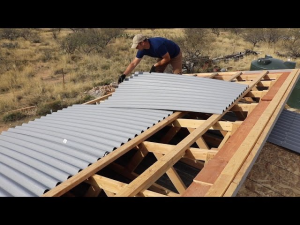
Metal roofs are strong and long-lasting. They can withstand severe weather conditions, including hail and wind-driven snow. They require less maintenance than shingle or tile roofs and are easier to install on flat roofs.

Composite slate and shake roofs are a newer option that combines synthetic polymer and recycled materials with authentic slate or cedar shingles for an attractive, natural look that’s easy to maintain. They’re not suitable for locations with wildfire risks, however.

Flat-roofing materials include EPDM membrane, thermo-polyolefin (TPO), and PVC. These single-membrane systems are commonly used on commercial buildings and last 10-15 years.

Slope

The slope, or pitch, of a roof is a key aspect that influences its functionality and appearance. Whether you’re a builder or homeowner, understanding the basics of roof slope calculation can help you make informed decisions that improve your home’s performance and longevity.

The most important function of a roof is water shedding, and a steeper slope promotes faster runoff, reducing the chance of water pooling on the surface or leaking through the roofing materials. This is particularly important in areas prone to heavy rainfall, where a proper roof slope can protect your home from structural damage and other complications.

A properly sloped roof also sheds snow and ice more effectively, preventing the formation of ice dams that can block drainage and lead to leaks and other weather-related damage. Moreover, a roof with a slope that’s appropriate for your climate can help you save on energy costs by lowering the amount of heat or cool air that needs to be vented into the interior.

In addition to ensuring efficient water drainage and facilitating the use of certain roofing materials, a suitable roof slope can contribute to the architectural aesthetic of your home or building. Steep roofs, for instance, can provide a dramatic look and feel to Gothic or Tudor-style buildings, while low-slope roofs can create a modern, sleek design.

Luckily, it’s easy to determine the slope of a roof using simple tools and techniques. The most basic method involves measuring the rise and run of a roof, then dividing the vertical rise by the horizontal run to calculate the slope ratio. Alternatively, you can use a roofing calculator or a smartphone app designed to measure the angle of a roof.

Underlayment

An underlayment is a paper-like material placed on the roof deck that serves several purposes. It protects the deck from moisture and can help prevent leaks under the shingles. It also acts as a barrier against the shingle’s resin and offers some fire resistance. It’s important to choose an underlayment that works with the type of roof you have. A metal roof will do well with a synthetic underlayment, whereas an asphalt shingle roof will require a traditional roofing felt underlayment.

It helps prevent “picture framing.” Picture framing is a condition that occurs when the wood panels used for the roof deck move, creating ridges or bumps in the roof surface. This can look unattractive and it can interfere with the roof’s water-shedding function. It’s best to install underlayment as soon as possible after construction to avoid this problem.

A good underlayment will help you save money in the long run by protecting your floor covering from moisture and preventing mold, mildew, and other problems that can damage it. It can also make your flooring more comfortable by providing a soft, padded layer of cushioning. The underlayment is usually made of a hard or soft material, depending on the subfloor and flooring you have chosen. Some popular choices include cork, foam, and cement board.

If you’re interested in adding hardwood floors to your home, underlayment is a necessary step to ensure the longevity of your flooring and to protect your investment. A high-quality underlayment will prevent squeaks and cracking, trap heat to reduce energy costs, and dampen sound to make your home more relaxing. It can even offer protection against fungi, mold, and mildew.

Flashing

Flashings are thin pieces of metal that prevent water penetration around the edges and openings of a structure. They’re installed in walls, roofs, chimneys, vent pipes and wall/roof intersections to reduce indoor moisture, decrease mold problems and improve building durability. They can be made of lead, galvanized steel or copper, and are typically covered by shingles.

Roofing professionals install flashing wherever the roof plane meets a vertical surface like a wall or dormer. The flashing tucks under what’s above it and over what’s below, with enough overlap to ensure that water is directed away from the wall or roof and into the gutter system where it belongs.

There are several types of flashing, and the most common type is step flashing. It consists of sheet metal that’s layered in “steps” with the lowermost layer extending over the gutter. It’s often used in places where the roof meets a dormer or skylight, for example, and it redirects any leaks into the gutter so that rainwater doesn’t penetrate the underlayment or rot the wood framing of a house.

Another important type of flashing is valley flashing, which runs along the slope of a roof’s valley and prevents water from seeping into the roofplane where it could damage the underlayment or rot the trusses. It can be installed either as open flashing, where the metal is exposed, or closed flashing, where it’s covered by shingles.

Finally, there’s eave flashing, which is a small piece of metal at the edge of a shingle roof that protects the underlayment from rain and snow. To install it, you’ll need a custom piece of step flashing that’s cut to match the peak of the roof and then bent into place. A ridge shingle is then placed over the flashing and secured with roofing cement or caulk.

Shingles

The shingles of your roof are what protects the structure and integrity of your home by providing a barrier that repels rain, snow, hail, and other weather elements. Shingles are small overlapping pieces of material that are laid in rows or courses to cover the entire surface of your roof. They form a surface that sheds water and other precipitation through a layering process to the gutter system of your roof.

There are a few different types of shingle materials used in roofing, including asphalt, wood, clay, slate, and composite. The shingle style you choose will depend on your aesthetic preference and budget.

Asphalt shingles are the most common type of shingle for residential roofing. They are designed to last up to 30 years and come in a variety of colors and styles. There are three basic types of asphalt shingles: 3-Tab, Dimensional, and Architectural.

Dimensional shingles have two layers of shingle material and are more durable than 3-tab shingles. They have an attractive look that enhances the aesthetic of your roof. They also feature a pattern of alternating areas or tabs of single and double layers, known as the dragon tooth design. The intermittent shadow line of darker granules on the single-layer areas creates depth and dimension to your roof.

There are also designer shingles that are manufactured to replicate the appearance of other roofing materials like shakes, slate, and clay tile. These shingles are less expensive than other premium roofing materials and have a lifespan of up to 50 years. There are also eco-friendly shingle options available, such as rubber shingles and those made from recycled materials. These shingles are lighter and can help reduce energy costs.